
How Massage Helps Relieve Chronic Pain

Pain relief is the number one reason people seek out massage therapy, according to the American Massage Therapy Association. As more and more people start looking to massage as an avenue to reduce pain, below are several ways that massage has been researched to help chronic pain and improve quality of life.

Massage therapy supports chronic pain relief through several mechanisms.

1. Reducing Muscle Tension & Improving Mobility

Massage helps reduce muscular tension and restrictions in soft tissue. A systematic review found that massage was beneficial in reducing pain and improving range of motion in musculoskeletal conditions.
🔗 (Source: Pain Medicine, 2015) https://pubmed.ncbi.nlm.nih.gov/25775549/

2. Improving Circulation & Tissue Health

Massage increases local blood flow, which supports oxygen delivery and waste removal. Better circulation is associated with improved tissue health and healing potential.
🔗 (Source: Journal of Alternative and Complementary Medicine, 2010) https://pubmed.ncbi.nlm.nih.gov/18315516/

3. Activating the Parasympathetic Nervous System

Massage stimulates the parasympathetic (“rest-and-digest”) nervous system, reducing stress hormones like cortisol and allowing the body to enter a state conducive to healing.
🔗 (Source: International Journal of Neuroscience, 2005) https://pubmed.ncbi.nlm.nih.gov/12492313/

This calming effect can help reduce pain sensitivity and decrease muscle guarding, which often perpetuates chronic pain patterns.

4. Reducing Pain Perception

Multiple clinical studies show that massage can reduce pain intensity in conditions such as low back pain and fibromyalgia.
🔗 (Low Back Pain): Annals of Internal Medicine https://pubmed.ncbi.nlm.nih.gov/12617497/
🔗 (Fibromyalgia): Clinical Journal of Pain https://pubmed.ncbi.nlm.nih.gov/28615740/

Massage as Preventative Care

Preventative massage focuses on maintaining mobility and tissue health before pain becomes disabling. Rather than waiting until discomfort becomes severe, regular massage can:

  • Reduce muscle tension before it leads to pain flare-ups

  • Improve recovery after exercise or repetitive work

  • Support spinal and joint mobility

  • Help manage stress before it manifests as physical tension

A systematic review noted that regular massage can benefit chronic pain management and may be considered as part of a comprehensive, long-term care plan.
🔗 (Source: Cochrane Review, 2015) https://pubmed.ncbi.nlm.nih.gov/25775549/

Personalized Care — What Makes It Effective

At Bright Mountain Bodywork, no two sessions are the same. Chronic pain is personal, and effective treatment must be tailored to your unique history and needs.

We consider:

  • Daily activity demands

  • Past injuries or surgeries

  • Movement habits and posture

  • Stress levels and sleep patterns

  • Your long-term health goals

This personalized approach allows massage to function as part of a larger wellness strategy, not just a temporary fix.

Who Benefits Most from Preventative Massage?

Preventative massage therapy can be especially helpful for individuals who:

  • Have physically demanding or sedentary jobs

  • Engage in regular exercise or athletic activity

  • Experience tension-related headaches

  • Desire improved movement, recovery, or comfort

  • Want to age well with fewer pain-related setbacks

Massage works best when integrated into a routine that supports your overall health — including movement, hydration, sleep, and stress management.

Building Your Chronic Pain Plan in Lancaster

Massage therapy is most effective when combined with other supportive habits:

  • Consistent scheduling (Once every 1-3 weeks if dealing with a specific issue. Moving to once a month to six weeks for maintenance)

  • Gentle stretching and movement

  • Proper hydration and rest

  • Stress-management practices

Our goal is to help you feel better between sessions, not just on the table.

Summary

Massage therapy can support chronic pain relief as part of a preventative health plan by:

  • Reducing muscle tension and improving mobility

  • Enhancing circulation and tissue health

  • Calming the nervous system

  • Lowering pain perception

If you’re in Lancaster County and want a sustained, holistic approach to managing chronic pain, Bright Mountain Bodywork can help you create a plan that fits your body and your goals.

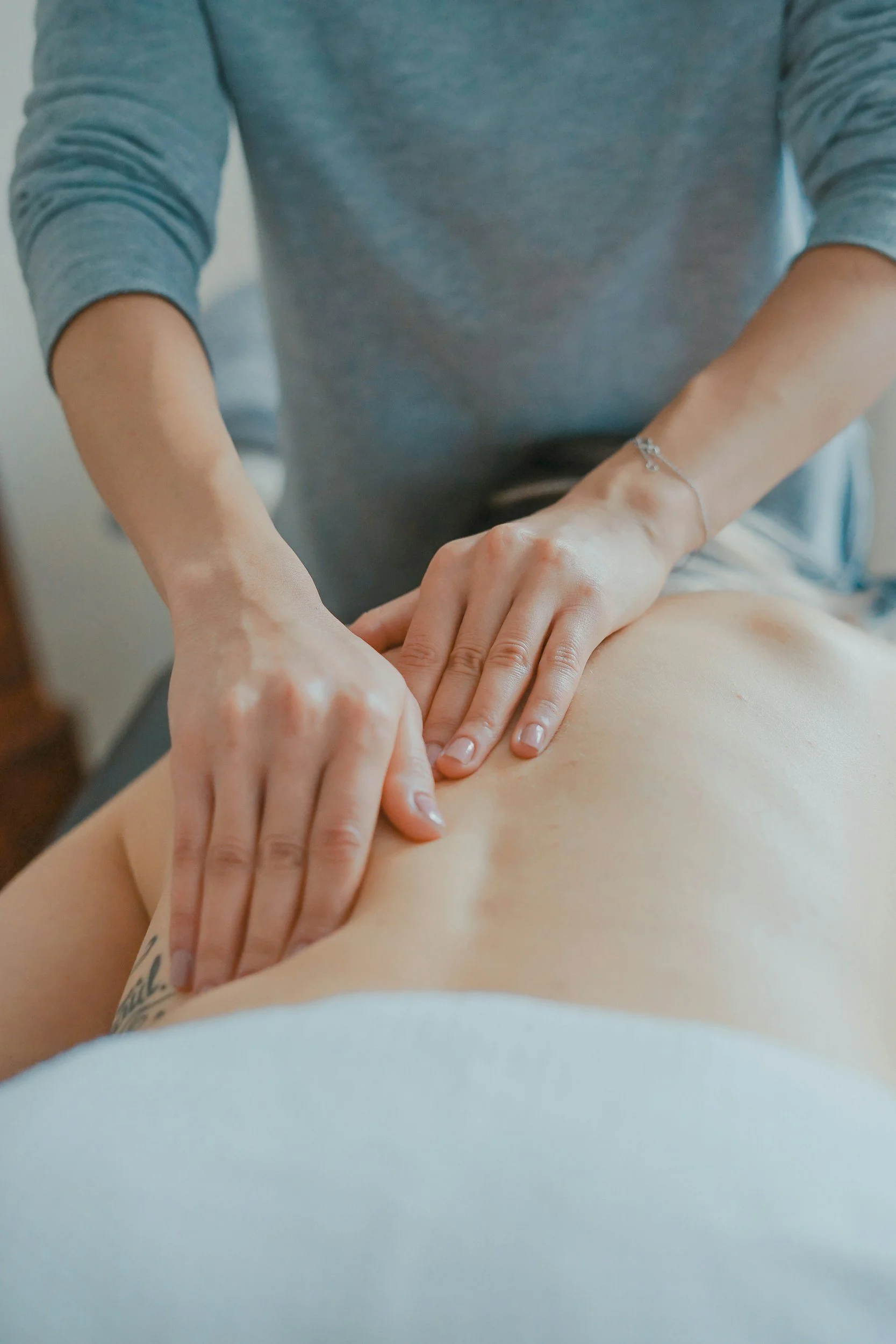
Massage Therapy and Sleep: A Natural Approach to Better Rest

Sleep is one of the foundational pillars of health, yet many people struggle to fall asleep, stay asleep, or wake feeling restored. While there are many approaches to improving sleep, massage therapy is gaining recognition as a natural, non-pharmacological option that supports better sleep on multiple levels.

At Bright Mountain Bodywork, we often see how regular massage can help clients not only feel more relaxed—but actually sleep more deeply and consistently.

The Connection Between Massage and Sleep

Sleep challenges are rarely just about sleep itself. They are often influenced by stress, nervous system dysregulation, pain, and tension in the body.

Massage therapy works across all of these systems.

Research suggests that massage can improve sleep by:

  • Reducing physical discomfort and pain

  • Lowering stress and anxiety

  • Supporting parasympathetic (rest-and-digest) nervous system activity

  • Promoting relaxation before bedtime

These combined effects create the internal conditions needed for quality sleep.

What the Research Shows

A growing body of research supports the relationship between massage therapy and improved sleep outcomes.

A 2025 study examining relaxation massage before bedtime in individuals with insomnia symptoms found improvements in both sleep quality and sleep duration following massage interventions.

Earlier clinical research on individuals with insomnia also found that massage therapy led to improvements in sleep patterns and overall well-being, particularly when sessions were received consistently.

In more complex medical populations, such as critically ill patients, a systematic review and meta-analysis found that massage interventions significantly improved subjective sleep quality, highlighting its role as a safe and supportive therapy.

Additionally, studies involving populations such as cancer survivors have shown that massage therapy can improve self-reported sleep quality and increase longer, more restorative sleep periods.

While research continues to evolve, the overall trend is clear: massage therapy can be a meaningful tool in improving sleep—especially when used regularly.

How Massage Supports the Nervous System

One of the most important ways massage improves sleep is through its effect on the nervous system.

Many people live in a chronic state of “fight-or-flight,” driven by ongoing stress. This state is associated with:

  • Increased heart rate

  • Elevated cortisol levels

  • Difficulty falling and staying asleep

Massage helps shift the body toward a parasympathetic state—the state where rest, digestion, and recovery occur.

This shift is essential for sleep. When the body feels safe and regulated, it becomes much easier to fall asleep and stay asleep.

Pain, Tension, and Sleep Disruption

Pain is one of the most common reasons people struggle with sleep.

Tight muscles, chronic tension, and discomfort can make it difficult to get comfortable or stay asleep through the night. Massage therapy directly addresses these physical barriers by:

  • Reducing muscle tension

  • Improving circulation

  • Increasing range of motion

  • Decreasing pain signals

As physical discomfort decreases, the body is better able to settle into restful sleep.

The Importance of Consistency

Like most health-supporting practices, massage works best when it is part of a routine.

Research and clinical experience both suggest that:

  • Occasional massage can promote relaxation

  • Regular massage can create lasting changes in sleep patterns

Incorporating massage into your wellness routine—whether weekly, biweekly, or monthly—can help reinforce healthier nervous system patterns and improve sleep over time.

A Complement to Your Overall Sleep Strategy

Massage therapy is not a replacement for medical care or treatment for chronic sleep disorders. However, it can be a powerful complement to other healthy sleep habits, including:

  • Consistent sleep schedules

  • Limiting screen time before bed

  • Managing stress

  • Regular physical activity

Organizations in the field of massage therapy increasingly recognize its role as a supportive, preventative approach to overall wellness—including sleep health.

What This Means for You

If you struggle with falling asleep, staying asleep, or waking feeling unrested, massage therapy may offer a natural and effective way to support better sleep.

At Bright Mountain Bodywork, each session is tailored to your individual needs—whether that means reducing tension, calming the nervous system, or creating space for your body to shift into a state of rest and recovery.

Better sleep doesn’t come from one single solution—it comes from supporting the body as a whole.

Massage can be an important part of that process.

Research & References

(You can copy/paste these directly into your blog)

Meet Our New Massage Therapist, Derek Martin

Derek is a graduate of the Lancaster School of Massage and brings compassion, energy, and extensive knowledge of movement and the body to every session. As a former gymnast, competitive cheerleader, and professional dancer, he approaches each massage with care, education, and a spirit of partnership.

Derek Martin, LMT

Blending Swedish massage with techniques from myofascial release and neuromuscular therapy, as well as incorporating range-of-motion work and stretching, Derek’s goal is to help every client feel safe, relaxed, and relieved.

Outside of his work as an LMT with Bright Mountain Bodywork, Derek can be found dancing with the modern dance company Dance Envoy. He also teaches pole dance at Hypnotic Pole Fitness and works as a bartender at West Art. His eclectic path has given him a wide range of experiences and a deep understanding that the road to healing may be long—but there are always helpers and friends along the way. He is honored to be a helper on your journey.

Heart Health & Massage: How Regular Sessions Support Your Cardiovascular System

At Bright Mountain Bodywork in Lancaster County, we view massage therapy as more than a luxury. When practiced regularly, massage can play a meaningful role in supporting cardiovascular health, stress regulation, and long-term well-being.

While massage is not a replacement for medical care, research increasingly shows that it can positively influence several factors related to heart health, including blood pressure, heart rate, and nervous system balance.

Lowering Blood Pressure and Heart Rate

One of the most well-documented cardiovascular effects of massage therapy is its ability to lower blood pressure and heart rate.

A clinical study published in the Journal of Alternative and Complementary Medicine found that participants receiving deep tissue massage experienced significant reductions in systolic and diastolic blood pressure, as well as heart rate, following treatment.
Research link: https://pubmed.ncbi.nlm.nih.gov/18315516/

Another study examining myofascial trigger point massage showed similar outcomes, including decreased blood pressure and increased parasympathetic (rest-and-digest) nervous system activity.
Research link: https://pubmed.ncbi.nlm.nih.gov/11872106/

These changes are important because elevated blood pressure and heart rate place additional strain on the cardiovascular system over time.

Supporting the Nervous System and Heart Regulation

The cardiovascular system is closely linked to the autonomic nervous system. Chronic stress can keep the body locked in a sympathetic “fight-or-flight” state, which increases heart rate, blood pressure, and inflammation.

Massage therapy has been shown to shift the nervous system toward parasympathetic dominance, promoting relaxation and recovery. Improved heart rate variability, a marker of cardiovascular resilience, has been observed following therapeutic massage sessions.
Research link: https://pubmed.ncbi.nlm.nih.gov/36866185/

This nervous system shift helps reduce cardiovascular load and supports overall heart function.

Benefits of Regular, Ongoing Massage

Consistency matters. Research suggests that the cardiovascular benefits of massage are more pronounced when sessions are received regularly.

A randomized controlled trial involving women with hypertension found that weekly Swedish massage sessions over four weeks resulted in sustained reductions in blood pressure.
Research link: https://pubmed.ncbi.nlm.nih.gov/24023571/

This supports what we see clinically: massage works best as part of an ongoing wellness routine rather than a one-time intervention.

Stress Reduction as Preventative Care

Chronic stress is a major contributor to cardiovascular disease. Massage therapy helps lower stress hormones and promote relaxation, indirectly supporting heart health by calming the systems that regulate blood pressure and circulation.

Organizations such as the Massage Therapy Foundation have highlighted massage’s role in supporting cardiovascular wellness through stress reduction and autonomic regulation.
Research overview: https://massagetherapyfoundation.org/mt-for-heart-health/

What This Means for Our Lancaster County Clients

For many people, regular massage therapy can be a valuable complement to other heart-healthy habits such as movement, nutrition, and sleep. At Bright Mountain Bodywork, we tailor each session to support your individual needs.

Massage therapy may help:

  • Reduce blood pressure and heart rate

  • Support nervous system balance

  • Decrease chronic stress

  • Promote long-term cardiovascular resilience

If you’re looking for a natural way to support your heart health and overall well-being, regular massage may be an important part of your self-care routine.

How to Use Your HSA or FSA for Massage Therapy in Lancaster, PA

If you’ve ever wondered whether you can use your Health Savings Account (HSA) or Flexible Spending Account (FSA) to pay for massage therapy in Lancaster, the answer is yes, in many cases you can! Massage can qualify as a medical expense when prescribed to treat or prevent a specific health condition. Here’s how to make your HSA or FSA work for your wellness and recovery goals.

What Are HSAs and FSAs?

Both HSAs and FSAs are tax-advantaged accounts that let you pay for eligible healthcare expenses using pre-tax dollars. This means you can invest in your health and save money doing it.

  • HSA (Health Savings Account): Available to those with high-deductible health plans; funds roll over each year.

  • FSA (Flexible Spending Account): Offered through employers; funds typically expire at the end of the plan year.

Get the MOst of your HSA&Fsa

Massage therapy is often covered under HSA or FSA plans when it’s prescribed by a doctor to treat a diagnosed condition

When Massage Qualifies as a Medical Expense

Massage therapy is often covered under HSA or FSA plans when it’s prescribed by a doctor to treat a diagnosed condition, such as:

  • Chronic pain, tension, or injuries

  • Stress or anxiety disorders

  • Fibromyalgia or arthritis

  • Circulation or mobility issues

A Letter of Medical Necessity or a doctor’s prescription is typically required to confirm eligibility.

How to Use Your HSA or FSA for Massage Therapy in Lancaster

  1. Get a Doctor’s Note or Letter of Medical Necessity
    Your healthcare provider should include:

    • The condition being treated

    • A recommendation for massage therapy

    • The frequency or duration of treatment

  2. Pay with Your HSA/FSA Card
    You can often use your HSA/FSA debit card directly at Bright Mountain Bodywork. If your payment doesn’t process automatically, simply submit your receipt to your plan administrator for reimbursement.

  3. Keep Your Receipts
    Always save your itemized invoices. These invoices show the date, service, and cost in case your provider needs documentation.

Prioritize Preventive Health and Recovery

At Bright Mountain Bodywork in Lancaster, PA, we believe massage therapy is essential preventative care — not a luxury. Using your HSA or FSA makes it easier to stay consistent with your self-care, reduce pain, recover faster, and maintain overall wellness.

We’re happy to help you confirm whether your plan covers massage sessions and guide you through the process of submitting receipts or documentation.

Book your next session or contact us today to learn how to use your HSA or FSA for massage therapy at Bright Mountain Bodywork in Lancaster.

Meet Our New Massage Therapist, Cameron (Cam) Males, LMT

A graduate of the Lancaster School of Massage, Cam brings curiosity, warmth, and a deep appreciation for the power of therapeutic touch to her work as a Licensed Massage Therapist. Her approach blends foundational techniques in Swedish massage and Neuromuscular Therapy with her own style, creating a treatment that's both personalized and effective.

Cam Males, LMT

Drawn to massage therapy by a love of the body's innate wisdom and the holistic nature of the field, Cam believes in massage as a powerful tool for pain relief, stress reduction, and long-term wellness. She is passionate about helping clients feel more connected to their bodies and supporting them in achieving greater balance in their lives.

Outside of the treatment room, she enjoys long solo hikes, spending time outdoors, and being with her family and friends.